Skip to content

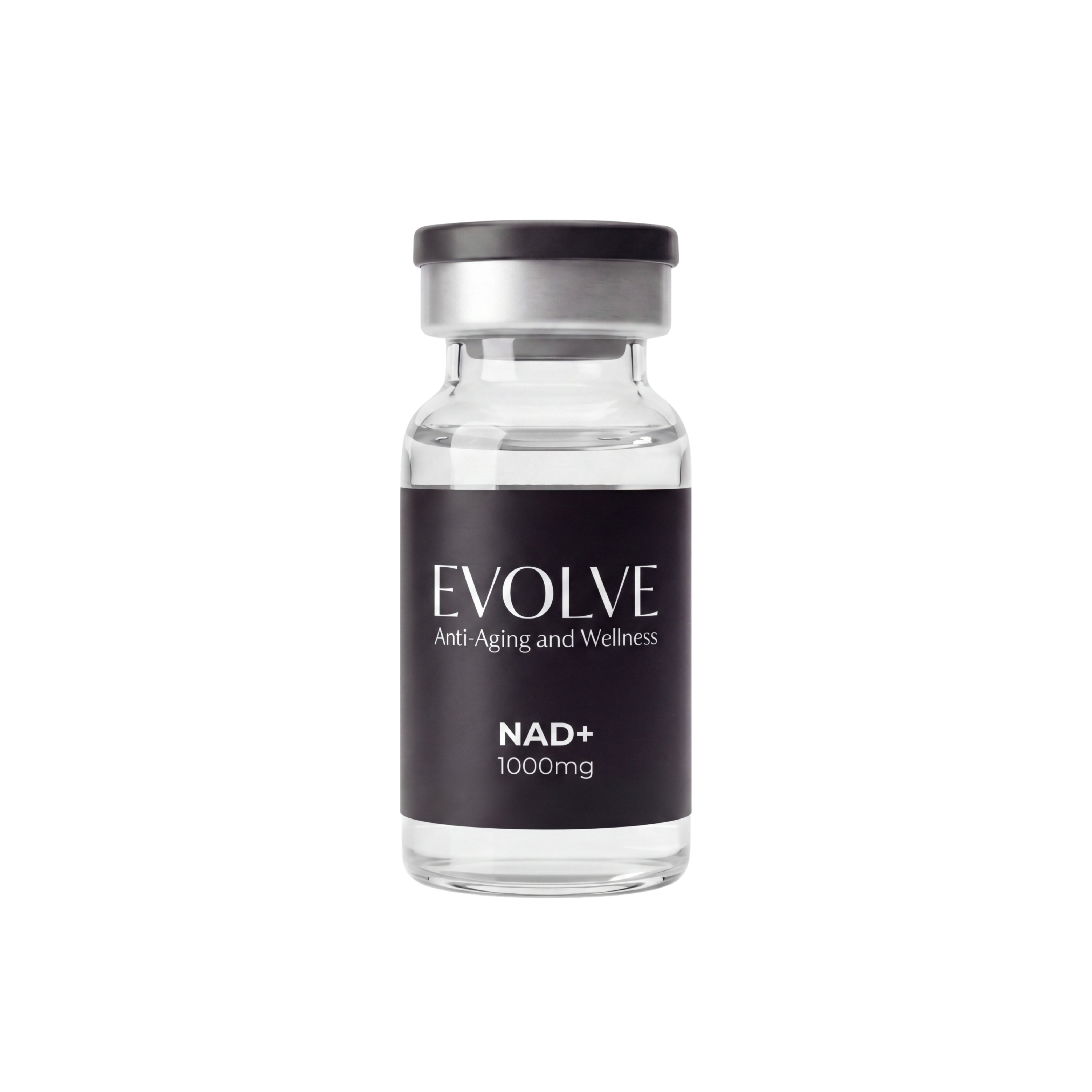
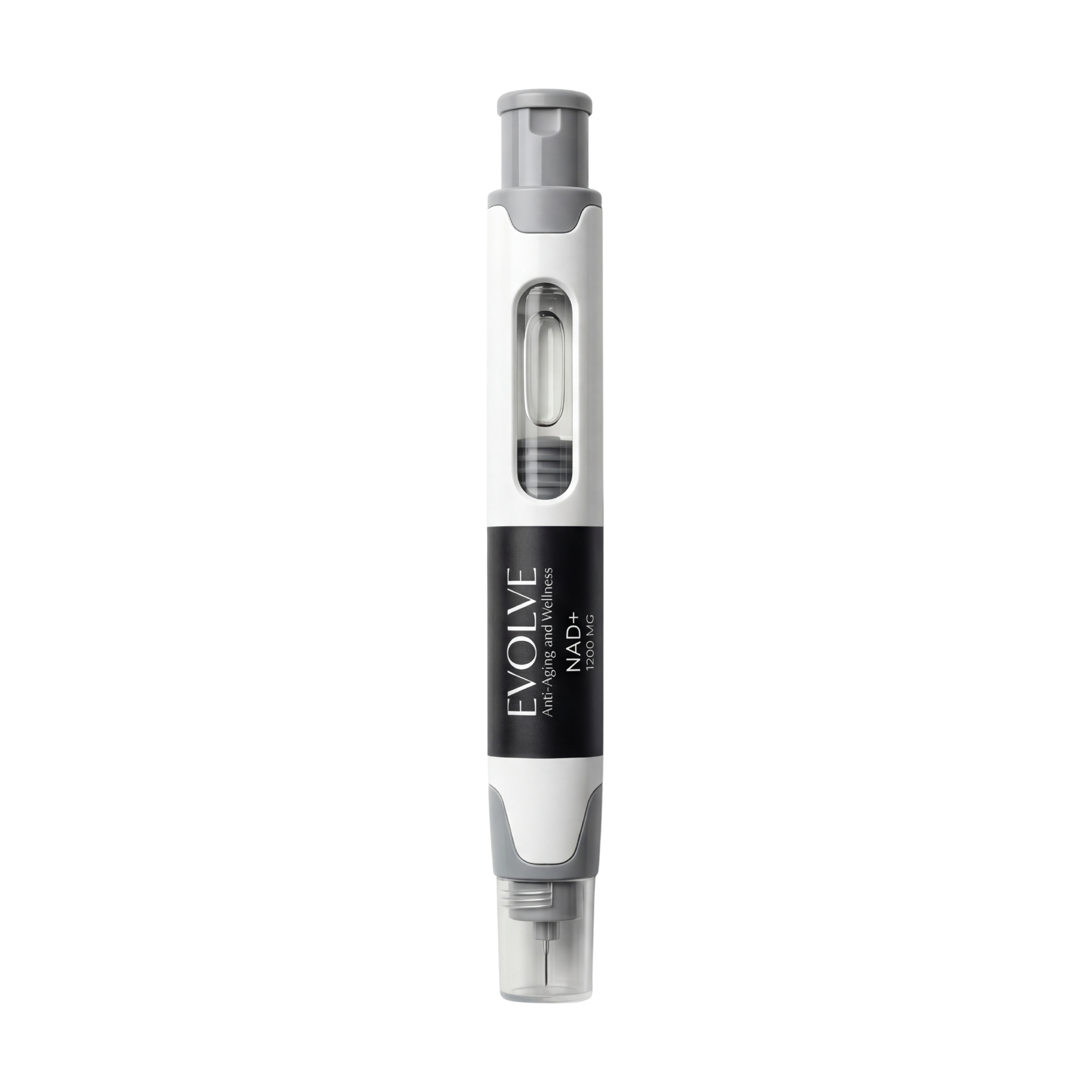
NAD+


Nicotinamide Adenine Dinucleotide, or NAD+, is a coenzyme and signaling molecule found in every cell of the body and essential to cellular function and viability. It plays a central role in energy production and is involved in key processes across glycolysis, the Krebs cycle, and the electron transport chain, making it closely tied to mitochondrial function and overall cellular health.

Interest in NAD+ has grown because of its connection to energy metabolism, mitochondrial support, healthy aging, and cellular resilience. As NAD+ levels naturally decline with age, it has become an important topic in conversations around longevity, metabolic support, cognitive wellness, and recovery-focused care.

This page is intended to support patient education and discussion. Any NAD+-based protocol, if appropriate, is considered only after an in-person consultation and any necessary lab testing or clinical evaluation. Nothing on this page is intended to represent an online offer for sale, and these offerings are not available for online purchase.

Nothing on this page constitutes medical advice, a prescription, or a guarantee of treatment.

NAD+
NAD+ Sale price$0.00

How It Works

NAD+ is a universal cellular electron transporter, coenzyme, and signaling molecule that plays a foundational role in how cells produce energy. Together with its related forms, including NADH, NADP+, and NADPH, it supports the reactions involved in cellular respiration and ATP production.

Because of its role in glycolysis, the Krebs cycle, and mitochondrial energy production, NAD+ is closely associated with cellular metabolism, mitochondrial health, and overall cell function. It is also a point of interest in broader discussions around cellular repair, homeostasis, and healthy aging.

Why People Are Interested

NAD+ has become a major focus in conversations around energy, mitochondrial health, and healthy aging. It is often discussed in relation to cellular performance, metabolic efficiency, cognitive support, recovery, and longevity-oriented wellness strategies.

Interest also continues to grow because NAD+ levels naturally decline with age, which has made it an important topic in discussions around supporting cellular health over time.

Benefits

NAD+ is being explored and discussed for its potential role in supporting:

  • Cellular energy production
  • Mitochondrial health
  • Metabolic function
  • Cellular homeostasis
  • Healthy aging
  • Longevity-focused wellness strategies
  • Neuroprotection discussions
  • Recovery and resilience support
  • Overall cellular function

Who Can Benefit

NAD+ may be of interest to individuals exploring provider-guided support for energy, recovery, healthy aging, mitochondrial support, and overall cellular wellness. It is typically considered within the context of a broader clinical evaluation rather than as a one-size-fits-all approach.

The right strategy depends on the individual, their health history, current concerns, goals, and any relevant lab or clinical findings.

Why Evaluation Matters

At Evolve, treatment decisions are guided by more than interest in a therapy alone. A consultation helps determine whether NAD+ is appropriate based on the full clinical picture, including health history, goals, current symptoms, and when necessary, lab testing or additional evaluation.

This process supports a more personalized approach and helps ensure that any recommendation fits into a broader strategy for energy, recovery, and long-term optimization.

Treatment Process

The process begins with an in-person consultation to review health history, goals, and any relevant clinical considerations. When appropriate, lab testing and further evaluation may be used to better understand overall health status, metabolic function, and treatment fit.

If NAD+ is considered appropriate, it is discussed as part of a personalized, provider-guided plan designed around ongoing monitoring and long-term optimization.

Every program at Evolve follows a structured clinical model:

Schedule a Peptide Consultation

Discuss whether this approach may be appropriate as part of your personalized care plan.