

Explore our full collection of peptide products, organized by category and goal.
Peptides
Explore our peptide collection with confidence. Our products are selected with strict sourcing standards, trusted pharmacy partners, and a three-step testing process designed to support quality, cleanliness, and consistency.
A Higher Standard for Peptides
Peptides are targeted compounds used in advanced wellness protocols for areas such as recovery, metabolic support, cognitive performance, skin health, and overall optimization. This page is designed to help you browse our peptide offerings by category, while our Genetic-Guided Peptides program offers a more personalized path based on deeper evaluation.
Not all peptides are created to the same standard. Our collection is built for customers who care about quality, sourcing, and confidence. We work with trusted compounding pharmacy partners, emphasize clean API sourcing entering the U.S., and rely on a three-step FDA-tested process designed to support purity, consistency, and peace of mind.
Why Our Peptides Stand Apart

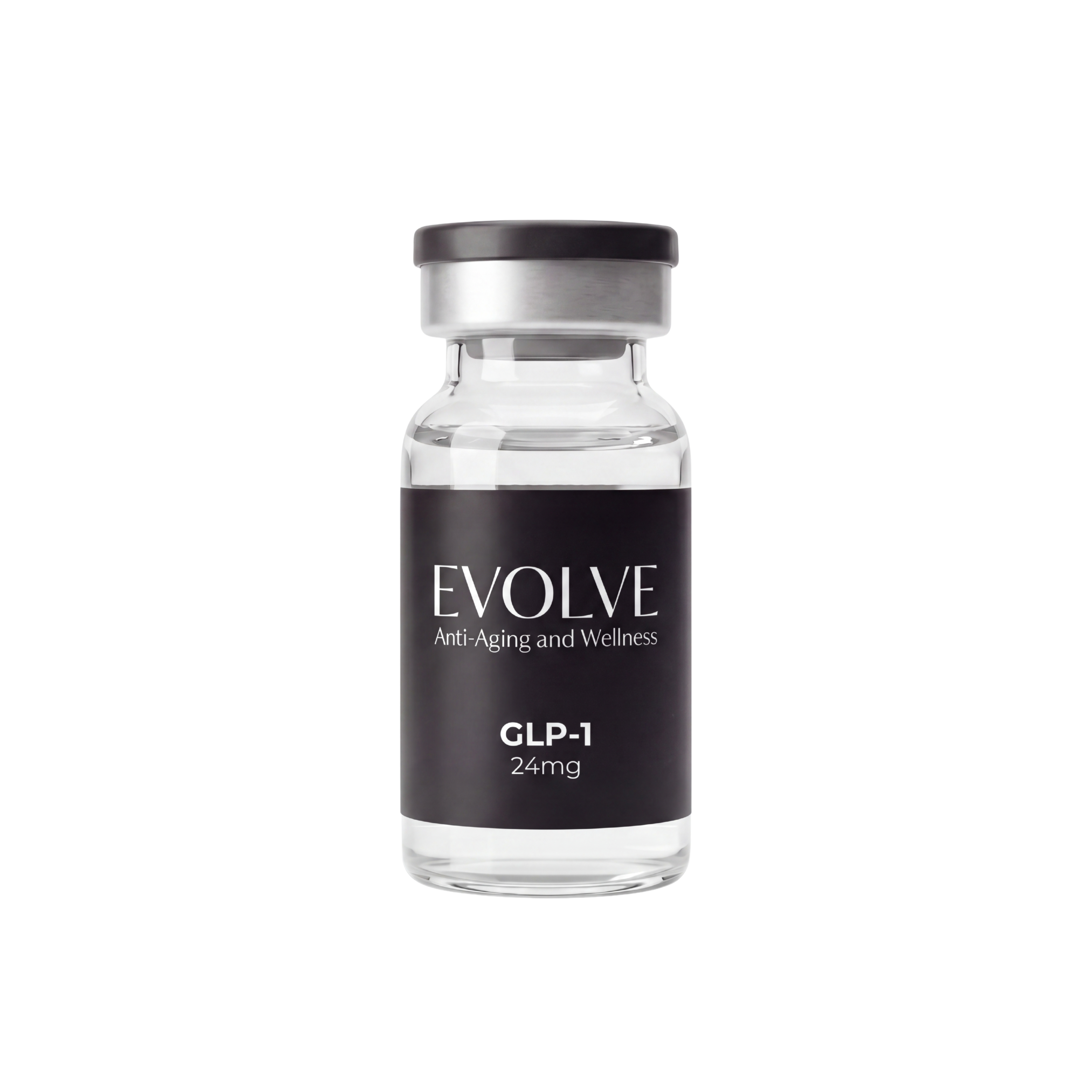
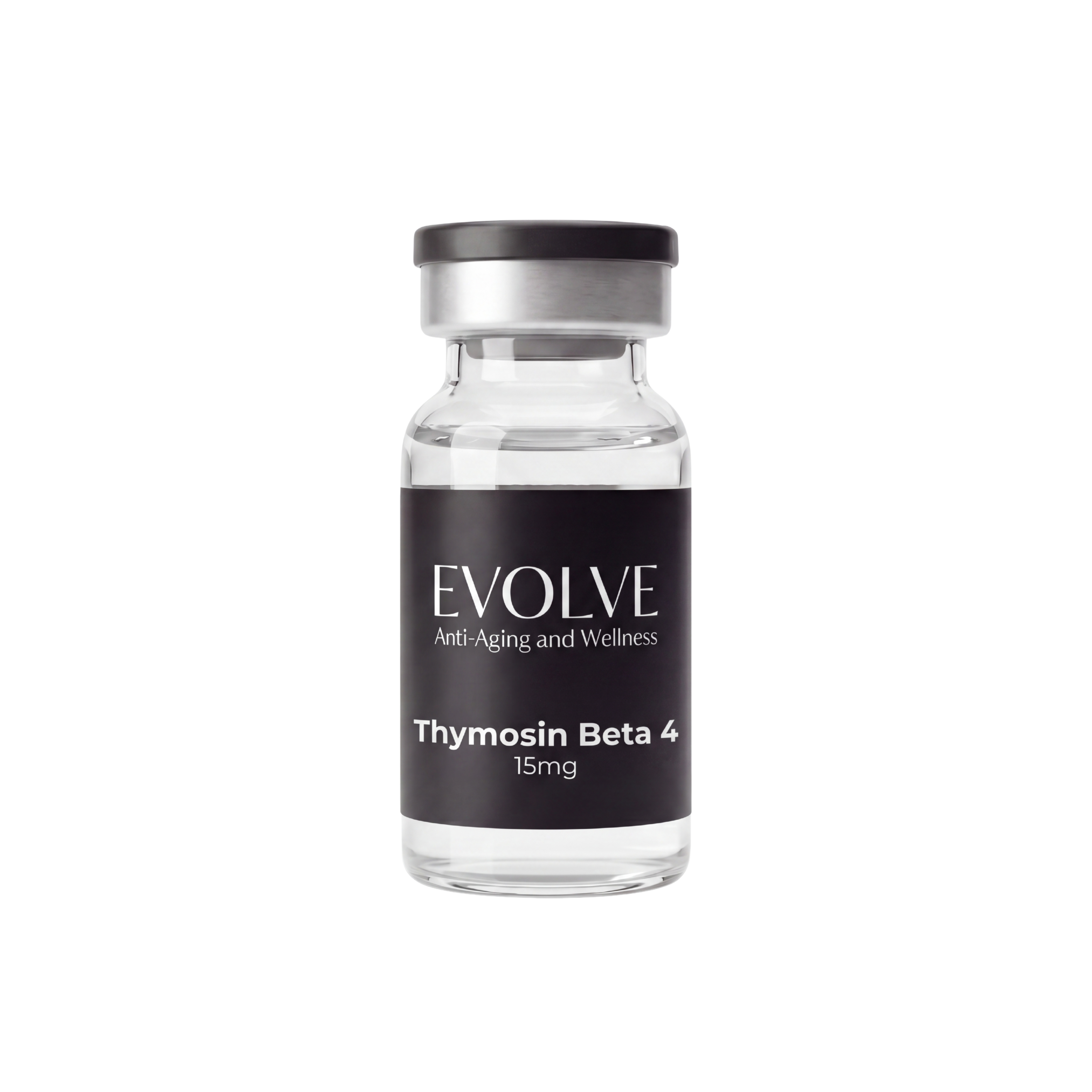
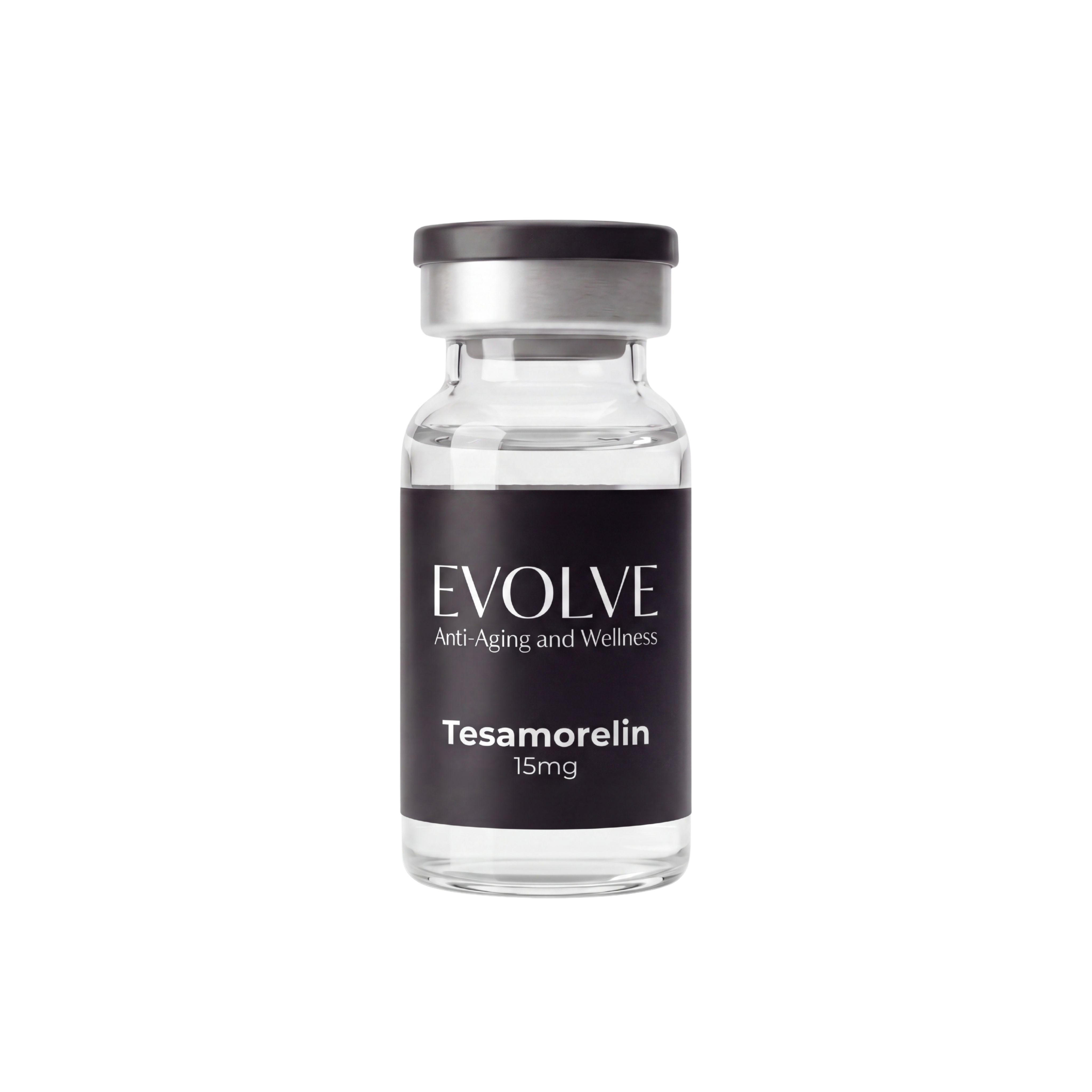
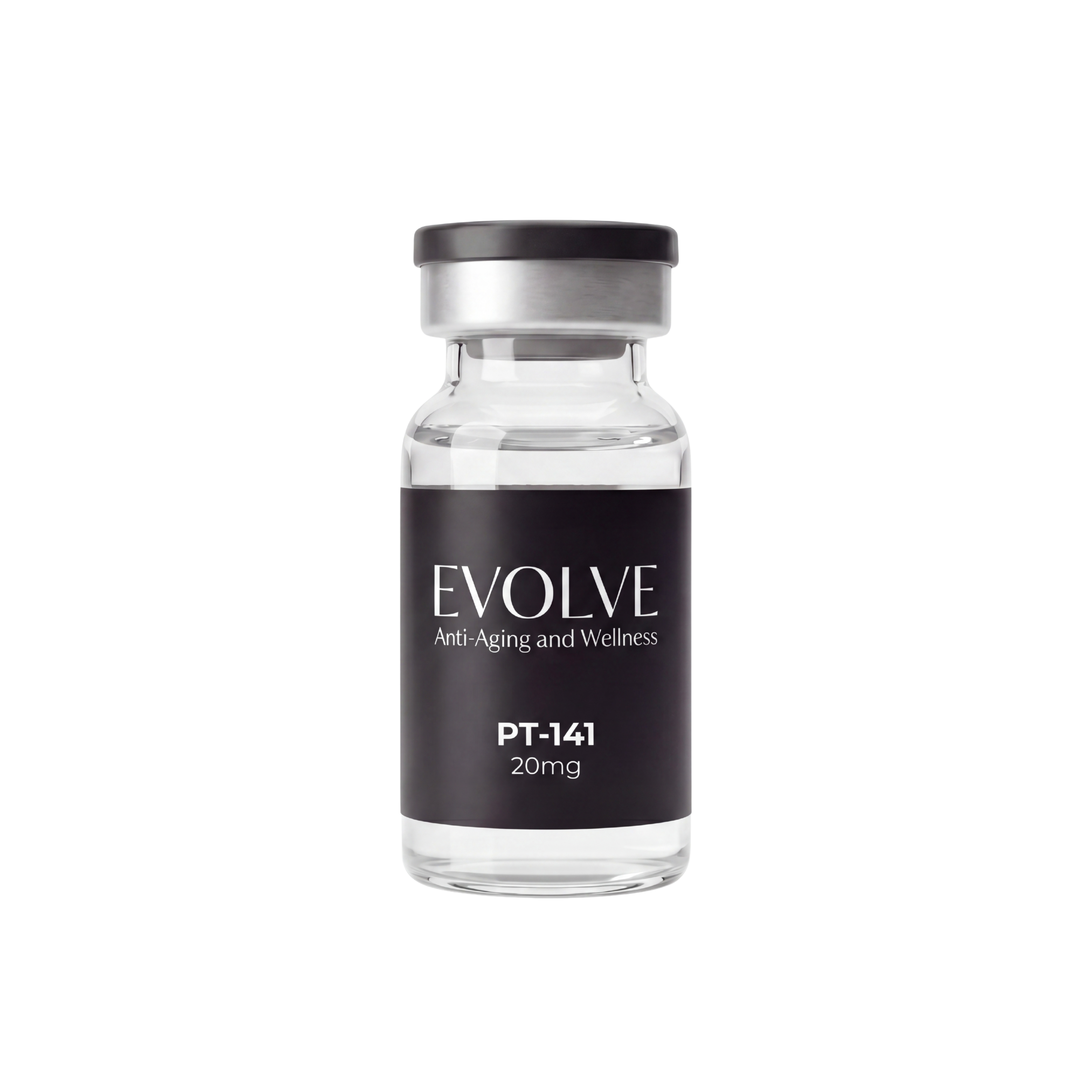
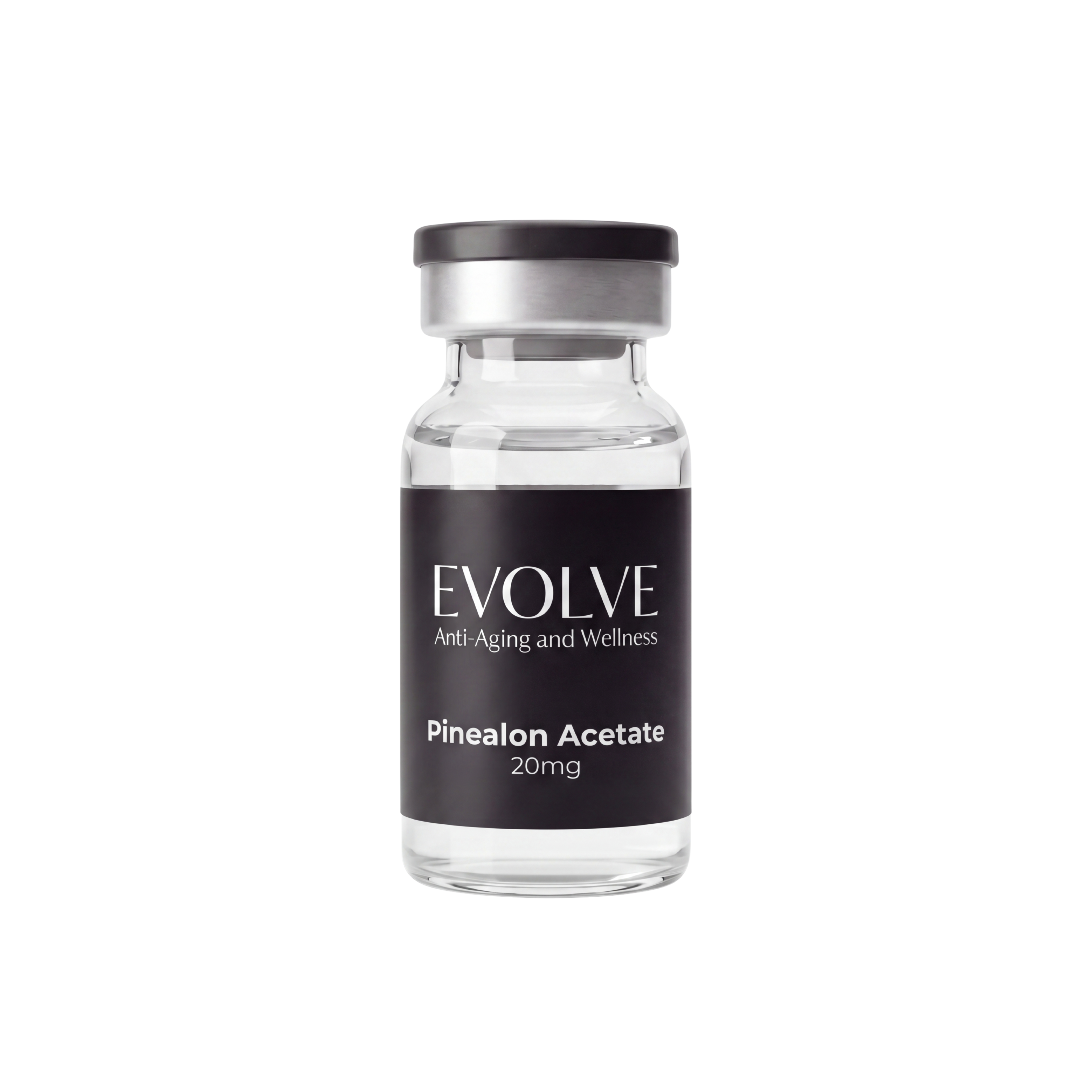
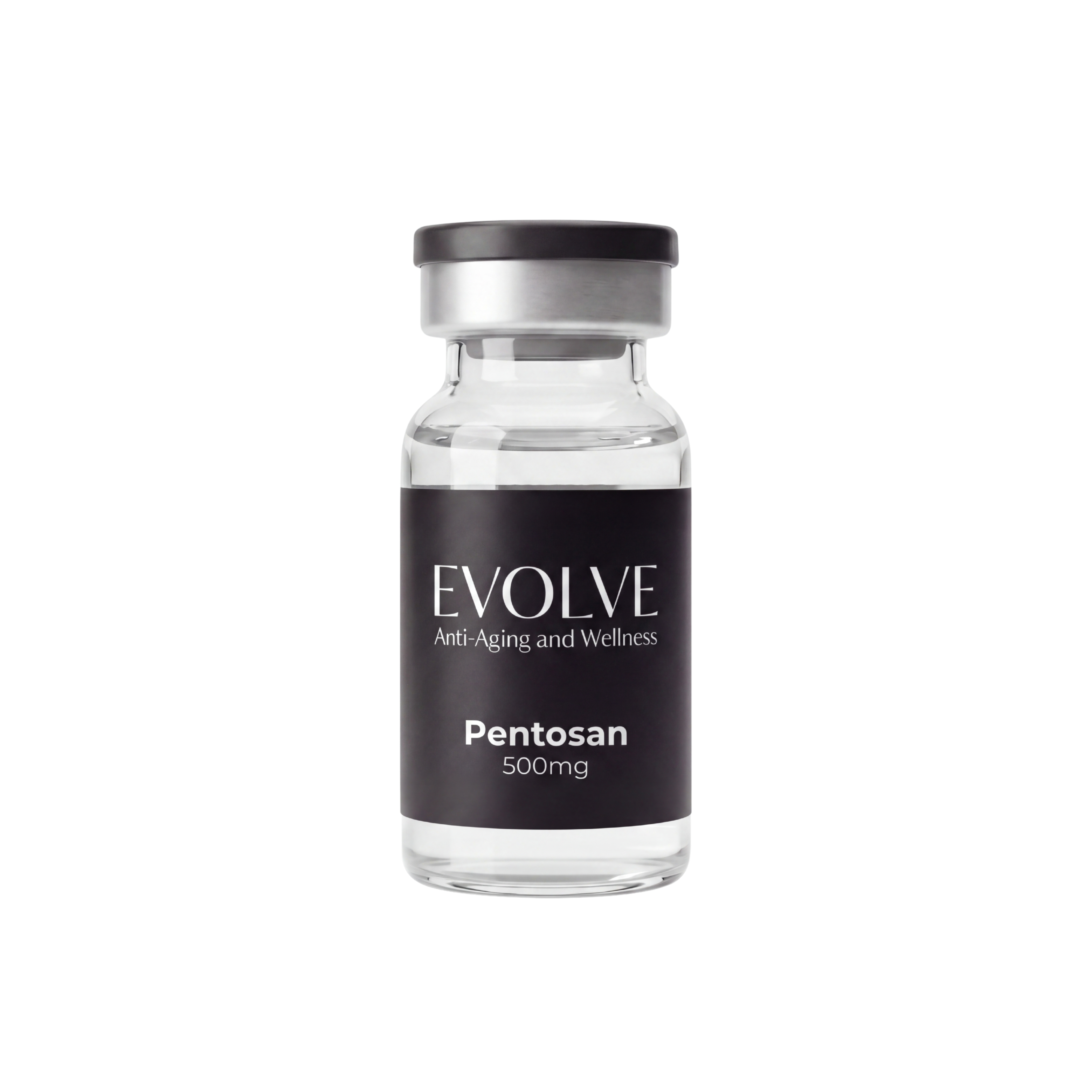
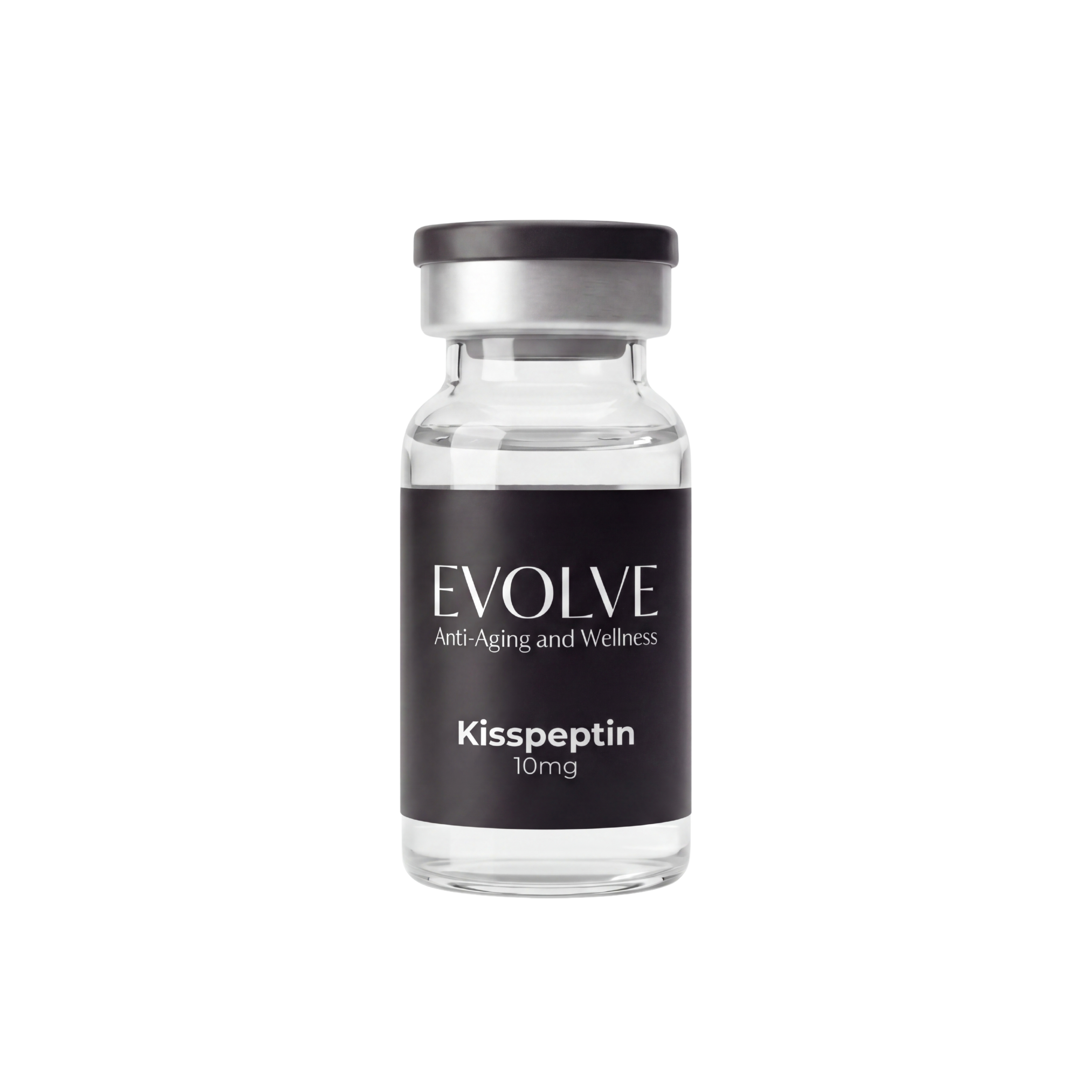
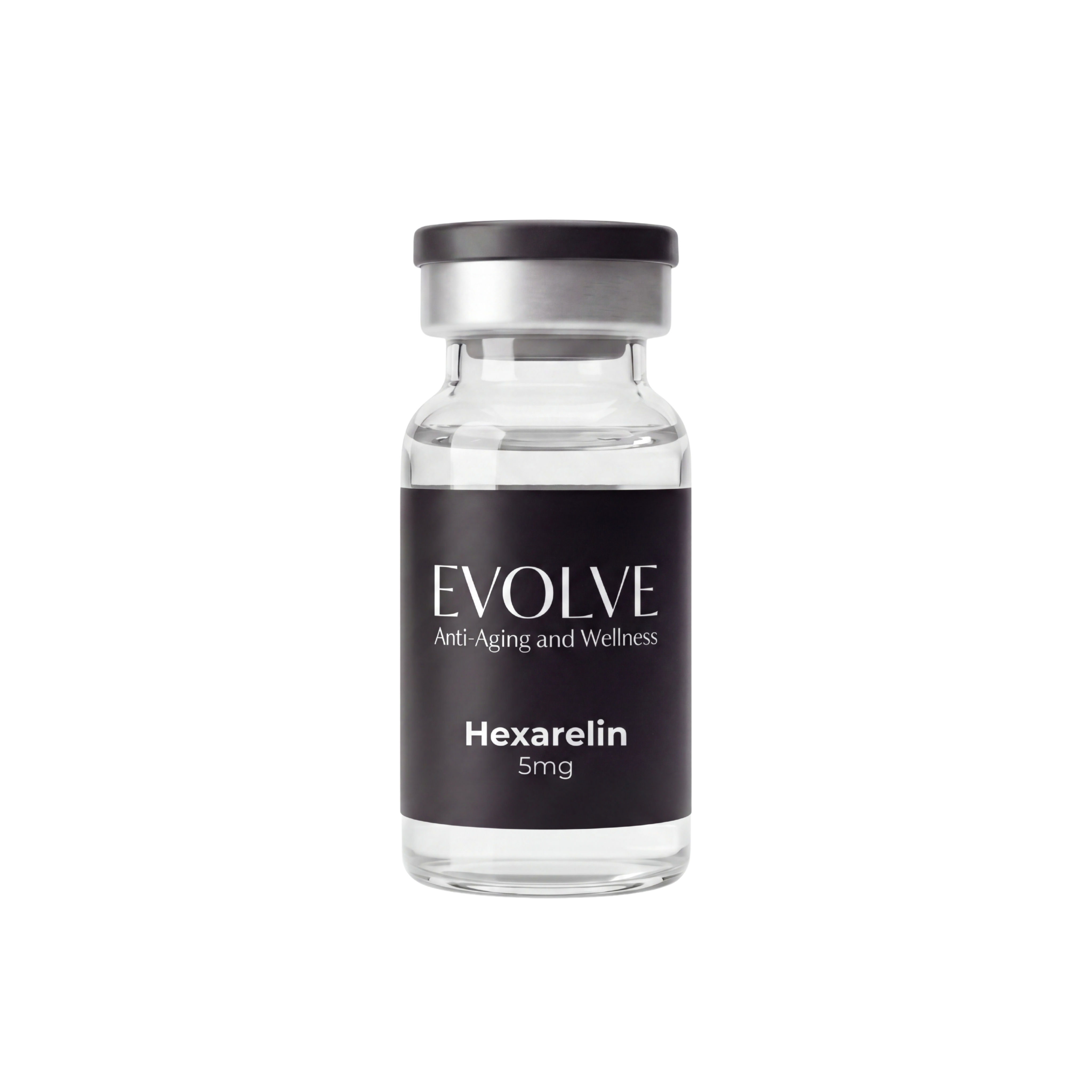
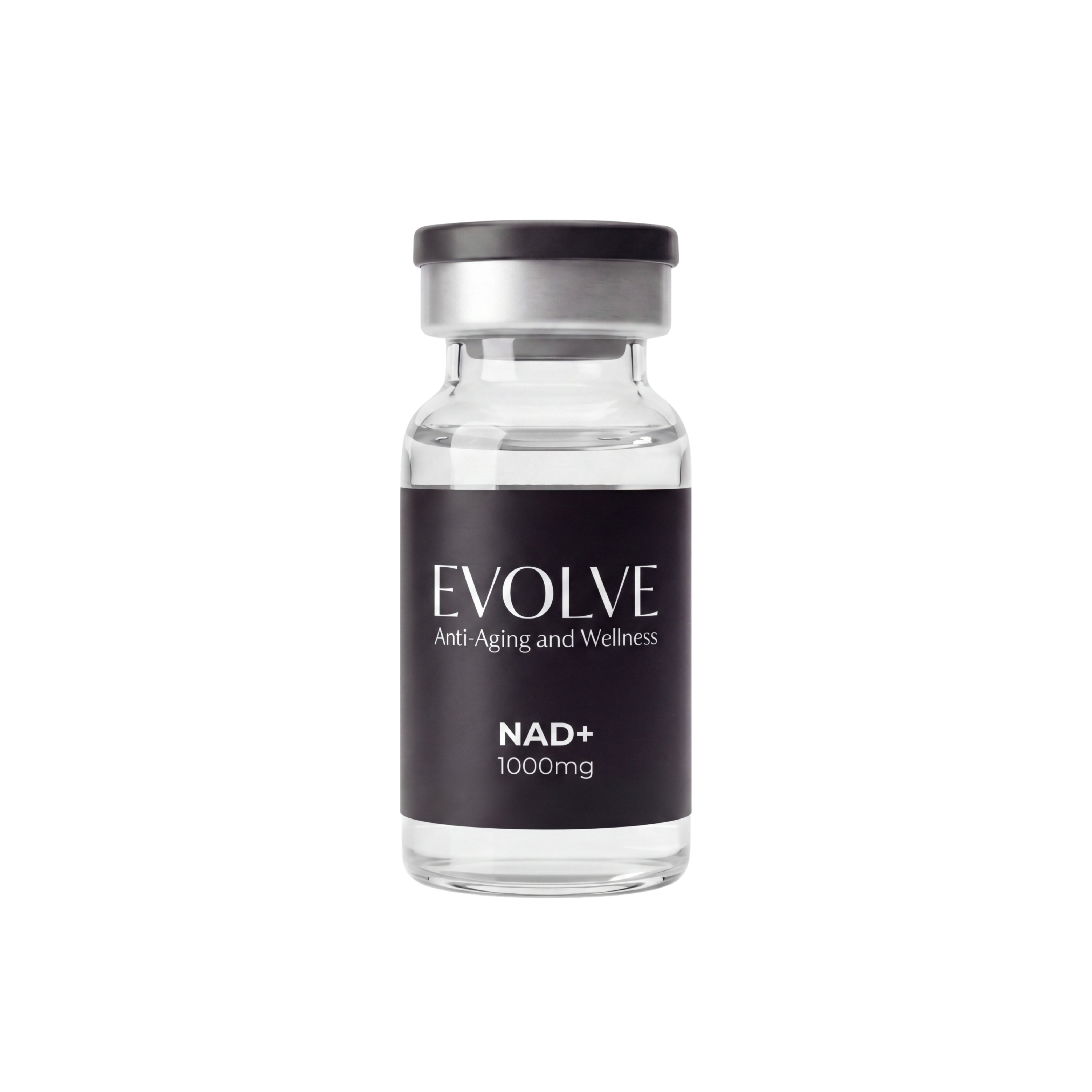
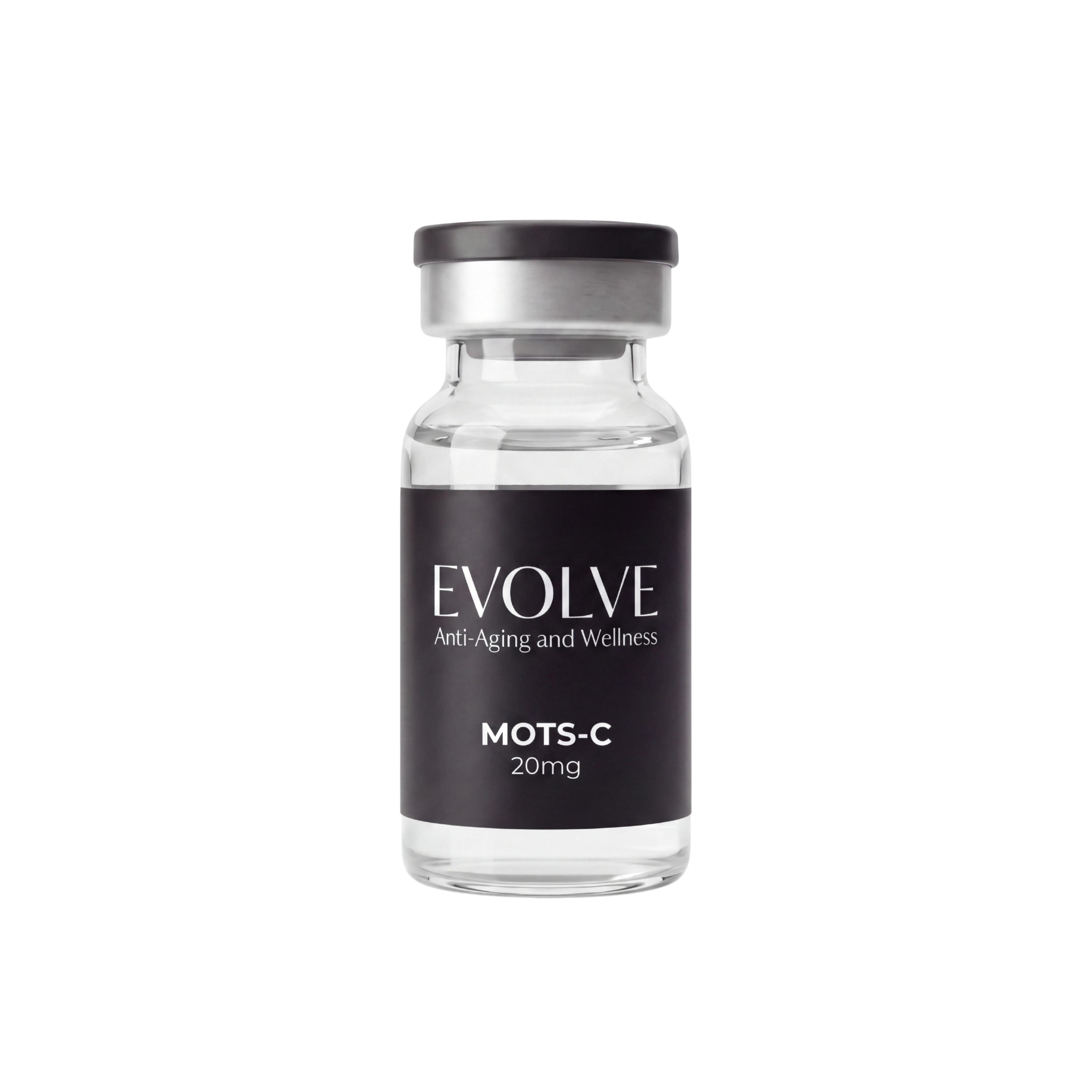
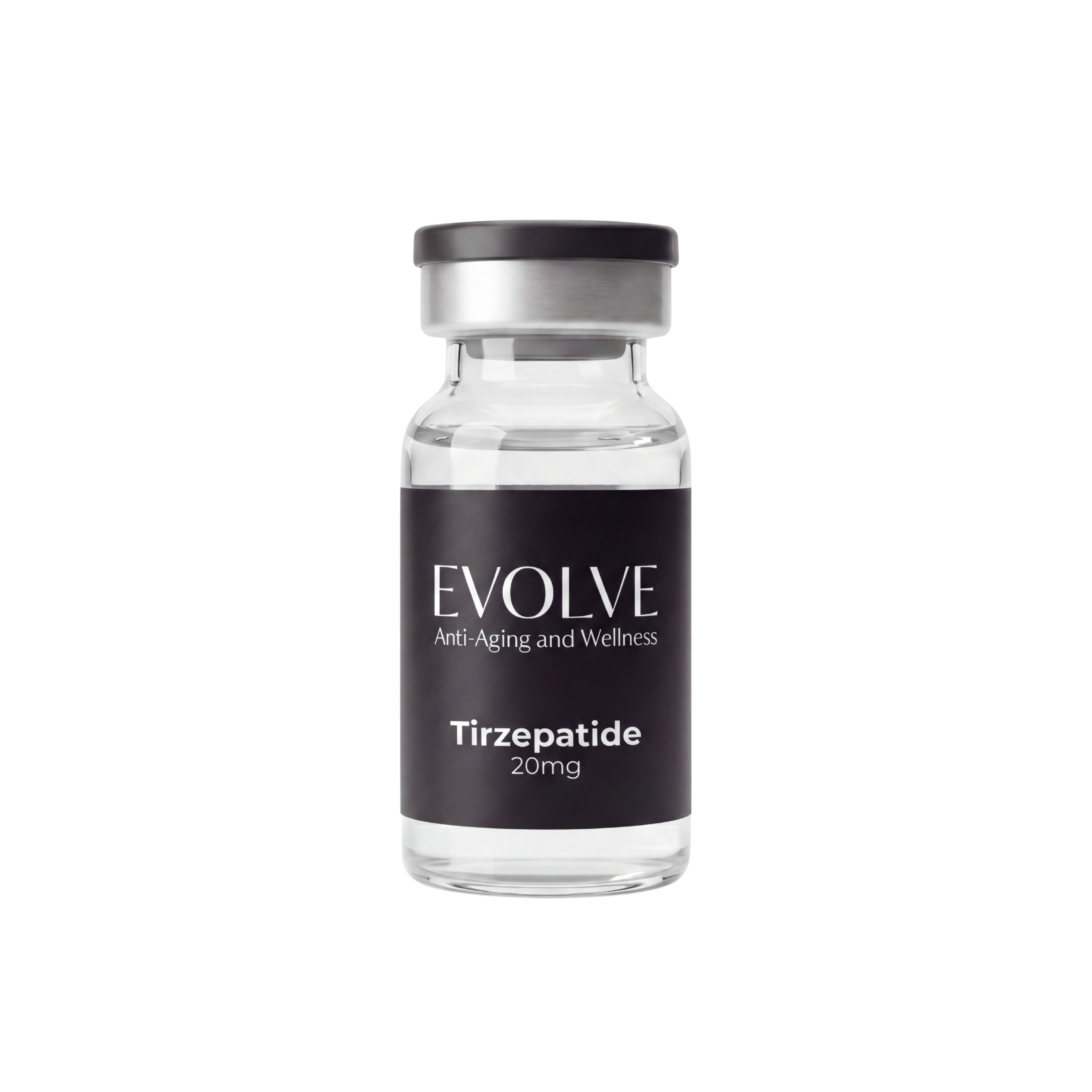
Our Most Requested
Start with some of our most in-demand peptide options, selected for quality, consistency, and goal-based support.









Our 3-Step Quality Process
API Sourcing & Entry Review
We begin with active pharmaceutical ingredients sourced through trusted channels entering the U.S. market, with quality and purity prioritized from the start.
Compounding Standards
Products are prepared through trusted compounding pharmacy partners operating under strict quality and handling procedures.
FDA-Tested Verification
Each product is supported by a three-step testing process focused on cleanliness, consistency, and overall quality confidence.
We built this peptide collection around one standard: confidence. With trusted compounding pharmacy partners, regulated API sourcing, and a three-step FDA-tested process, every product is selected to meet a higher bar for quality.
Explore All



















COMMON QUESTIONS
Peptides are short chains of amino acids that act as signaling molecules in the body. They play a role in many natural biological processes by helping cells communicate with one another. Each peptide has a distinct structure and function, which is why they are studied individually rather than as a single category.
No. Peptides and steroids are fundamentally different. Steroids are synthetic versions of hormones, while peptides are amino acid–based compounds involved in cellular signaling. They interact with the body in very different ways and are not interchangeable.
Peptides are naturally occurring in the body. When discussed in clinical or research settings, peptides may be studied for how they interact with existing biological pathways. Whether or not a peptide is appropriate depends on individual health context, goals, and clinical evaluation.
Supplements are typically designed to support general nutritional needs. Peptides, by contrast, are studied for more targeted biological signaling pathways. Because of this specificity, peptides are discussed within a clinical framework rather than as over-the-counter wellness products.
This varies widely depending on the individual, the peptide being discussed, and the broader health context. Factors such as sleep, nutrition, stress levels, and metabolic health all influence how the body responds over time. Education and expectation-setting are an important part of any conversation.
No. Peptides are not appropriate for every individual or every goal. Certain health conditions, life stages, or medications may affect whether peptides are even considered. That’s why any discussion begins with a comprehensive review rather than assumptions.
No. Peptides are not substitutes for foundational health practices. Sleep, nutrition, movement, and hormone balance remain central to overall wellness. When discussed, peptides are viewed as part of a broader, integrated approach—not a replacement for fundamentals.
Decisions are based on a combination of health history, lab data, goals, and current research. Education plays a key role in helping individuals understand why certain options may be discussed—and why others may not be appropriate.
At Evolve, conversations around peptides emphasize long-term health, sustainability, and alignment with overall wellness goals. The focus is on thoughtful, measured decisions rather than immediate or cosmetic outcomes.
Explore Peptides Further
Start With Understanding
If you’re exploring peptides, we’ll help you separate evidence from hype and understand what may—or may not—be right for you.